

When the Western church thinks of believers in northern Nigeria or Iran or the house churches of China, it usually reaches for pity, and pity is the wrong posture. Pity quietly assumes that we are the center and they are the margin, that we are the established and they are the endangered, that the real story of Christianity is written here and merely suffered there. The numbers say otherwise. The church in the Global South is not a charity case at the edge of the real story. It is, increasingly, the center of the story, the place where the faith is growing, costing something, and producing saints.
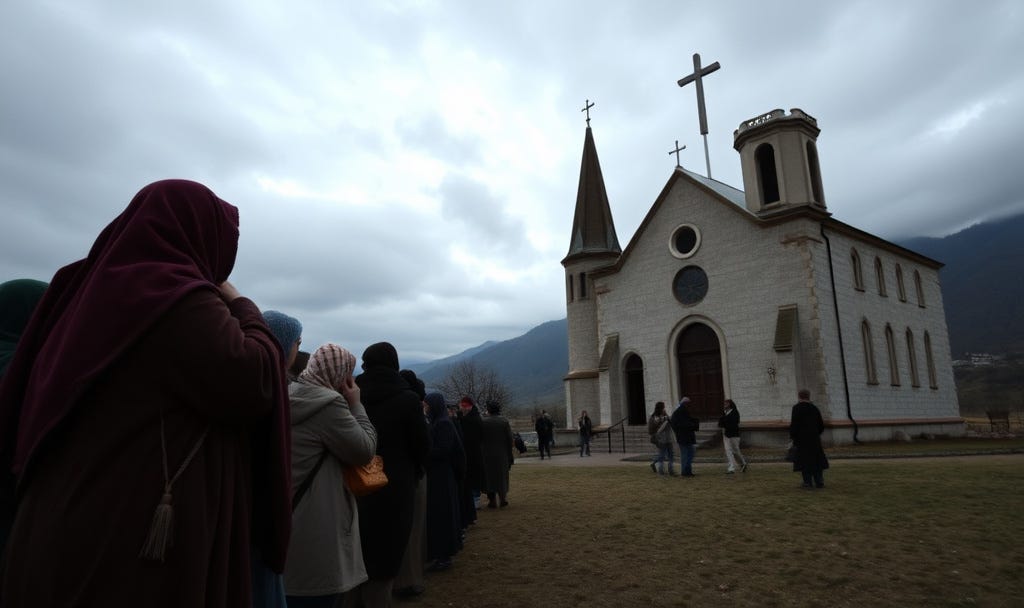
These communities have learned to read Scripture as the text of a minority under pressure, which is exactly how most of it was first written. The letters of Paul were not composed for a comfortable majority; they were written to small, exposed congregations who could lose work, family, or life for the name they confessed. A believer in a hostile context does not have to imagine what it costs to follow Jesus. He already knows. When such a church reads the Sermon on the Mount or the Book of Revelation, it hears registers that prosperity deafens the rest of us to. They are not behind us on the road. In many ways they are ahead.
Which is why our default question is the wrong one. We tend to ask how we can help them, and there are real and good ways to stand alongside the suffering church, through prayer, advocacy, and material solidarity that does not condescend. But the deeper question is what we are finally willing to learn. The diaspora churches forming in the Persian Gulf, the underground gatherings in China, the explosive growth across sub-Saharan Africa, the resilient Dalit and tribal congregations of South Asia, these are not waiting to be rescued by Western theology. They are quietly producing it, and they are doing so out of contexts of pressure that we, for now, have been spared.
The honest move is to swap the posture of patron for the posture of student. Not to romanticize suffering, which is real and ought never be wished on anyone, but to receive what those who suffer have learned. The persecuted church is not asking for our pity. It is offering us, if we have the humility to take it, a truer picture of what the gospel actually is when everything comfortable has been stripped away from it.
~ Sunny